Lake Nakuru National Park
A UNESCO World Heritage Site
Lake Nakuru is one of the Rift Valley lakes at an elevation of 1,754 m (5,755 ft.) above sea level. It lies to the south of Nakuru, in the rift valley of Kenya and is protected by Lake Nakuru National Park.
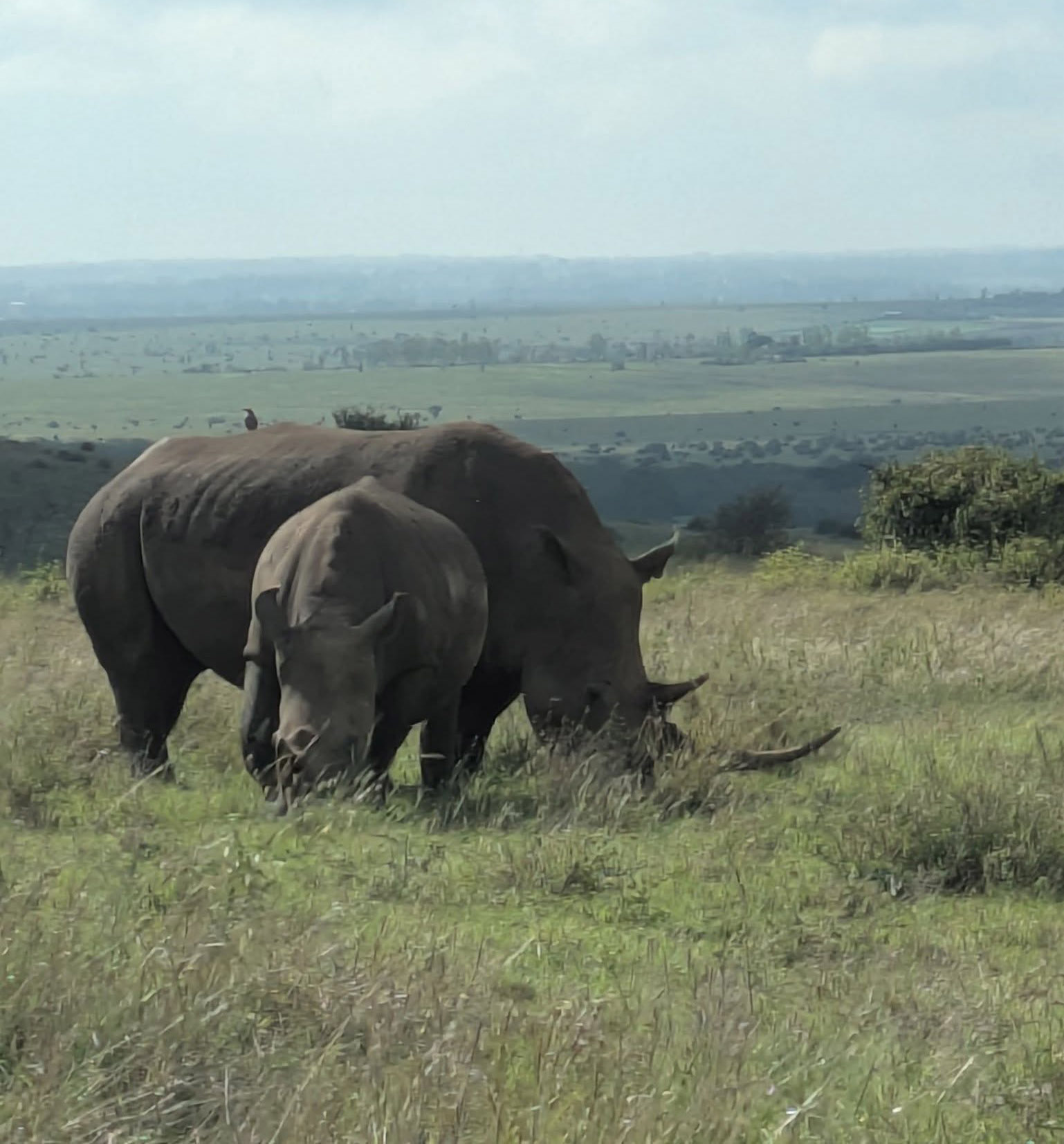
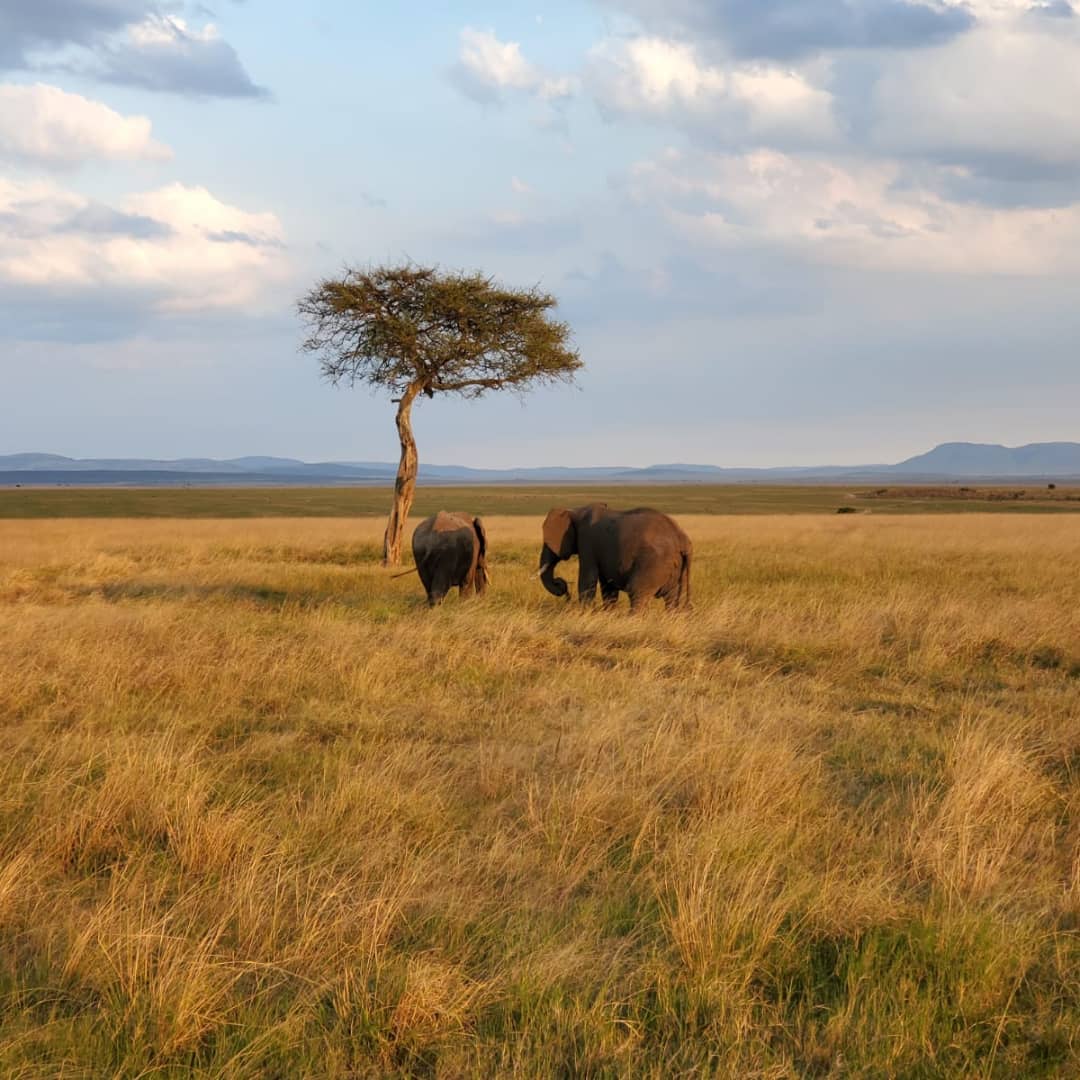
The lake's abundance of algae used to attract a vast quantity of flamingos that famously lined the shore. Other birds also flourish in the area, as do warthogs, baboons and other large mammals. Eastern black rhinos and southern white rhinos have also been introduced.
The lake's level dropped dramatically in the early 1990s but has since largely recovered. In 2013, the lake received an alarming increase in the water levels that led to the migration of flamingos to Lake Bogoria in search for food supply.
Nakuru means "Dust or Dusty Place" in the Maasai language. Lake Nakuru National Park, close to Nakuru town, was established in 1961. It started off small, only encompassing the famous lake and the surrounding mountainous vicinity, but has since been extended to include a large part of the savannahs.
- Getting to Nakuru National Park
- Facts About Nakuru National Park
- Attractions in The Park
- Notable Lodges & Camps
To Lake Nakuru
By Road:The park has a tarmac road connection with Nairobi, a distance of 156 km north west of Nairobi on the main A104 road. The most commonly used route into the park is via the main gate, 4 km from Nakuru Town Centre. It is also possible to enter the park from the main Nairobi Nakuru road at Lanet Gate. The Nderit Gate is used by people accessing the park from Masai Mara or Elementaita.
By Air:The Naishi airstrip services the park for tourism and KWS activities.
Park Roads:The park has an adequate and well serviced motorable roads that make most parts of the park accessible.
Park Gates:Gate of entry is Lanet Gate near Kenya Pipeline. The Main gate is not accessible due to the rising water levels that hinders a full circuit to the park.
Flamingos & Birdlife
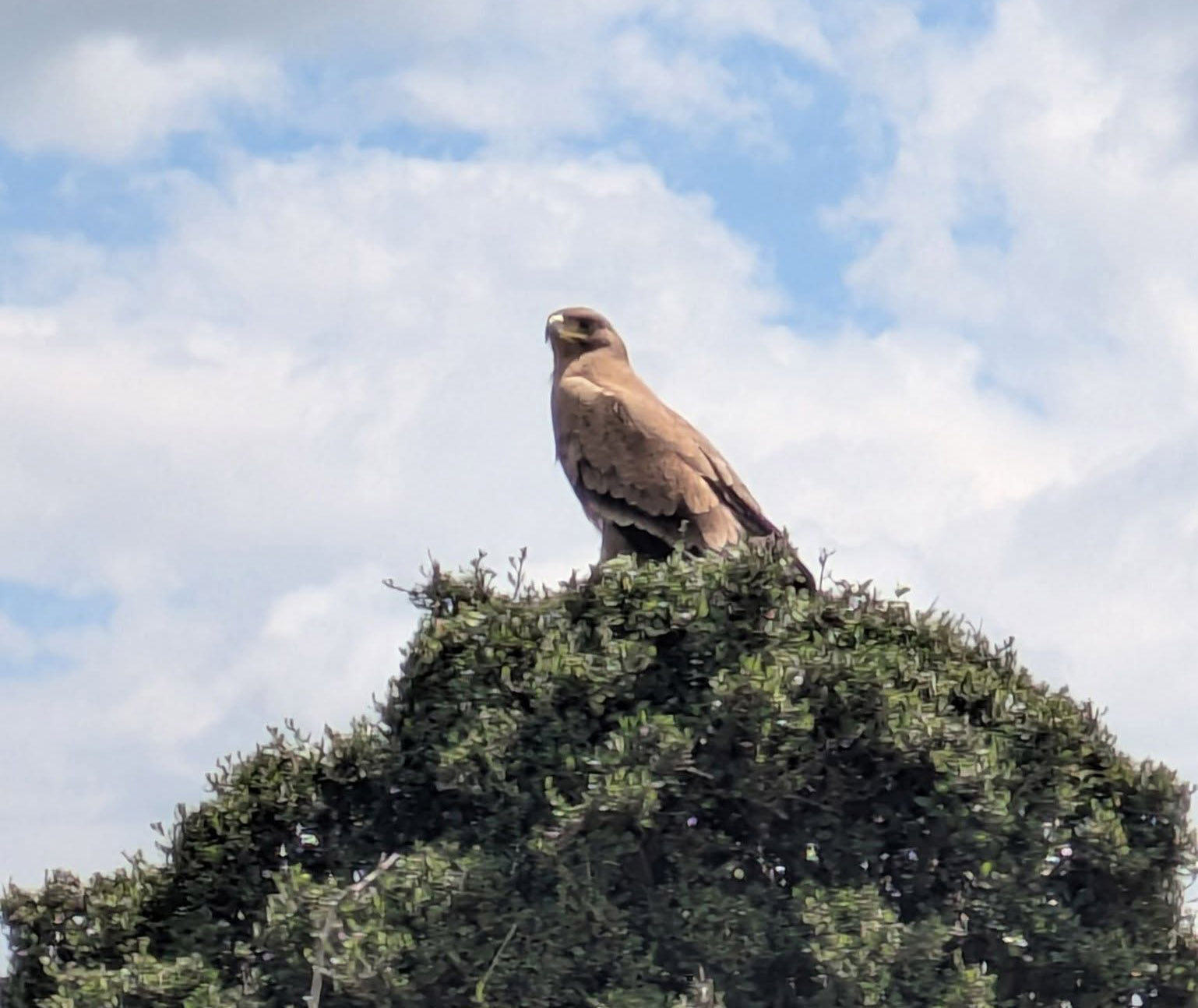
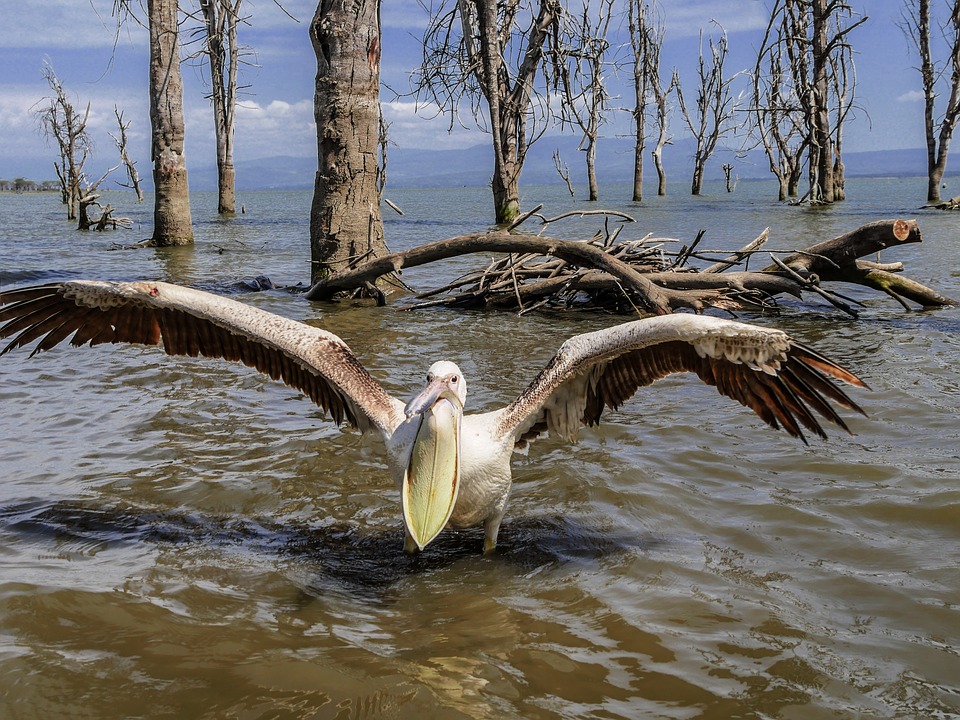
- The park is world-famous as a birding haven, supporting 400–450+ bird species, including pelicans, herons, fish eagles, hammerkops, grebes and many migratory waders .
- At peak times, Lake Nakuru can host up to 1.5 million flamingos—both greater and lesser species—creating spectacular pink roosts feeding on blue-green algae (Spirulina) .
Rhino & Mammal Sanctuary
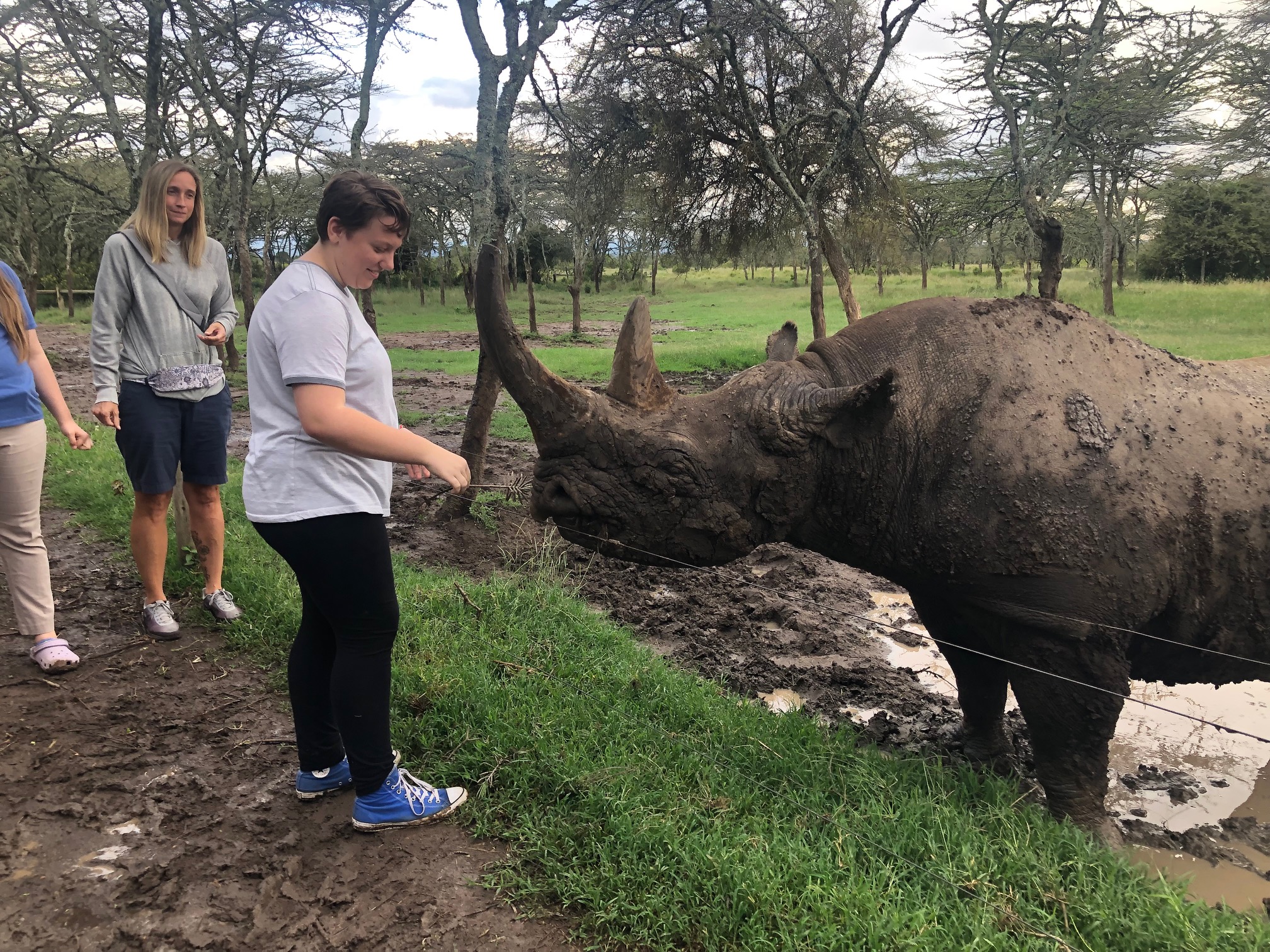
Established as Kenya’s first rhino sanctuary, the park is fenced to protect and contain populations of black and white rhinos
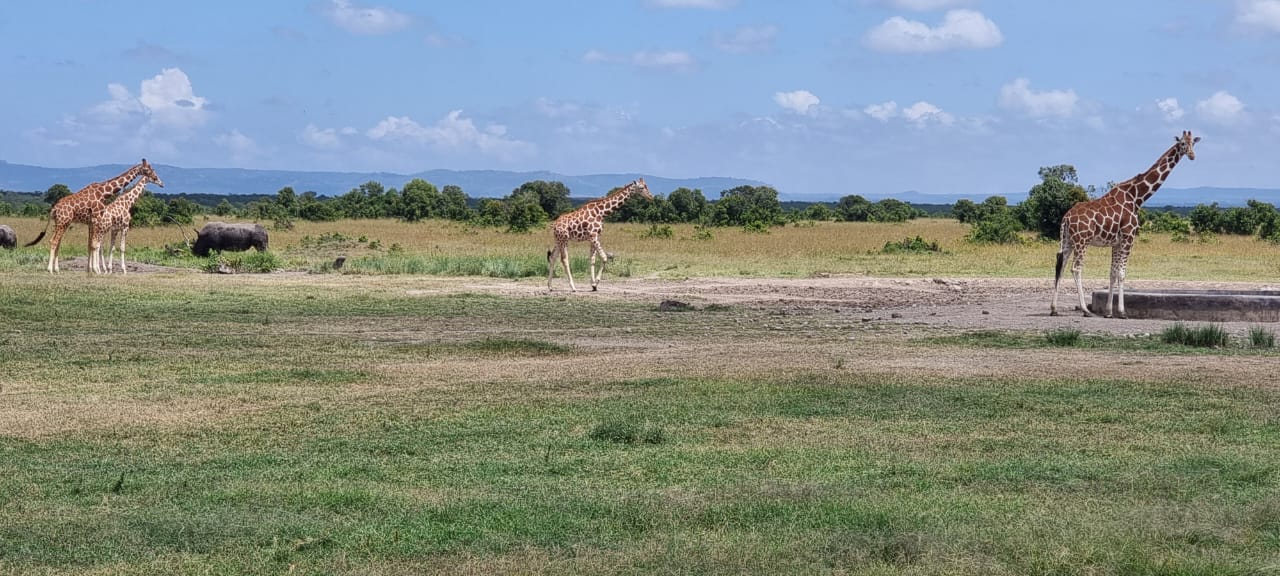
It supports one of the largest rhino populations in the country, with over 25 eastern black rhinos and around 70 southern white rhinos, plus healthy herds of Rothschild’s giraffe introduced in 1977
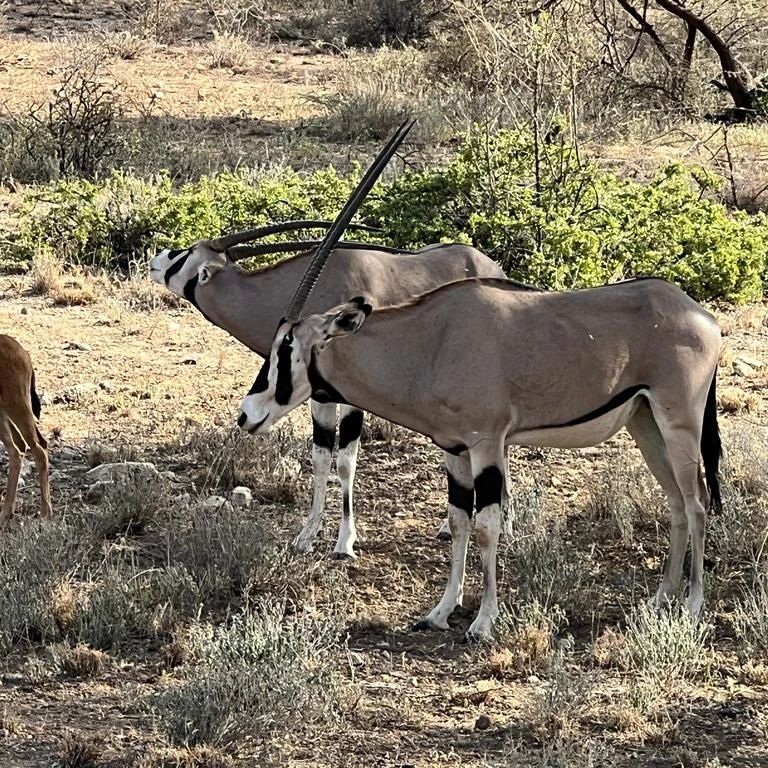
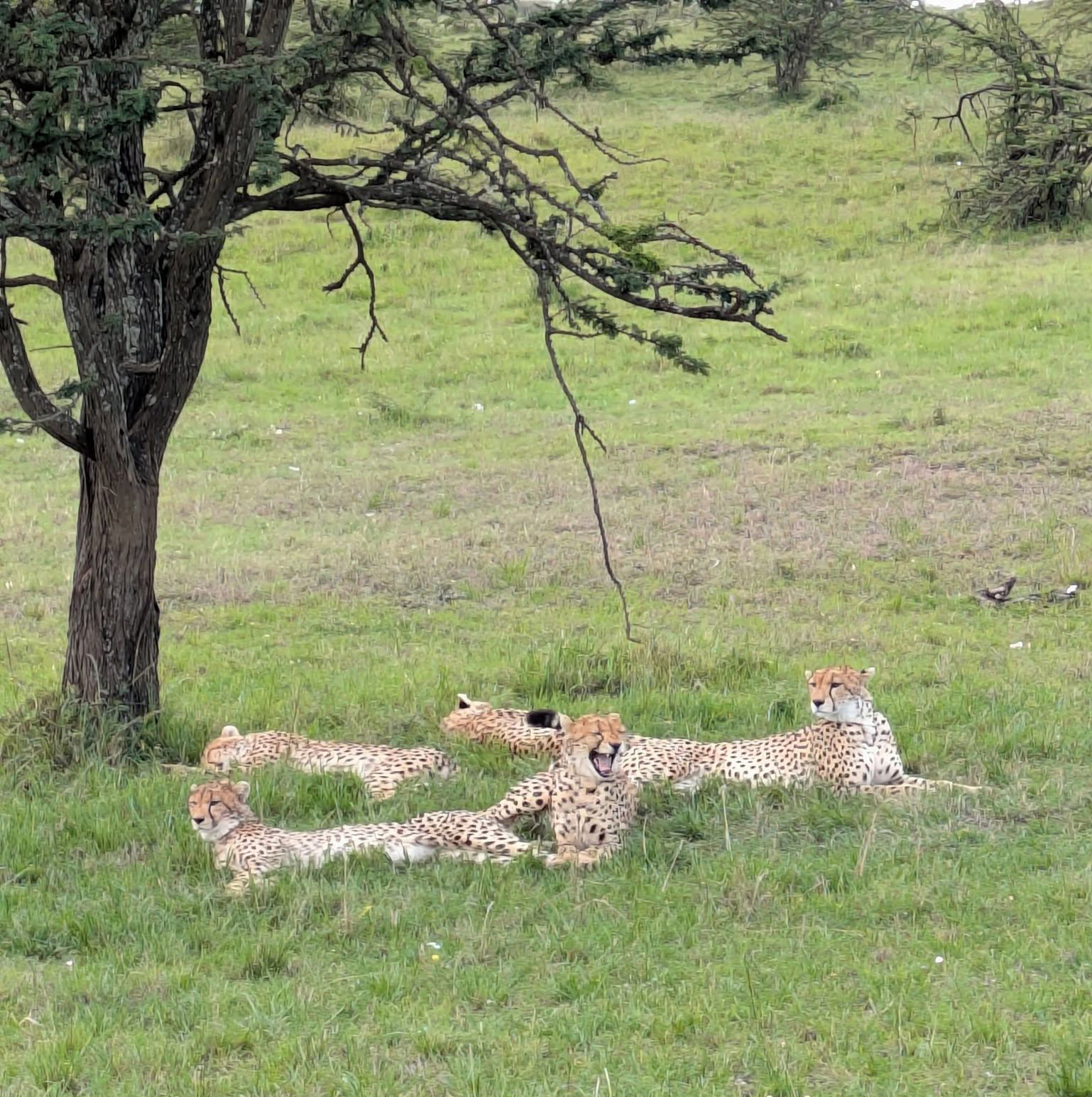
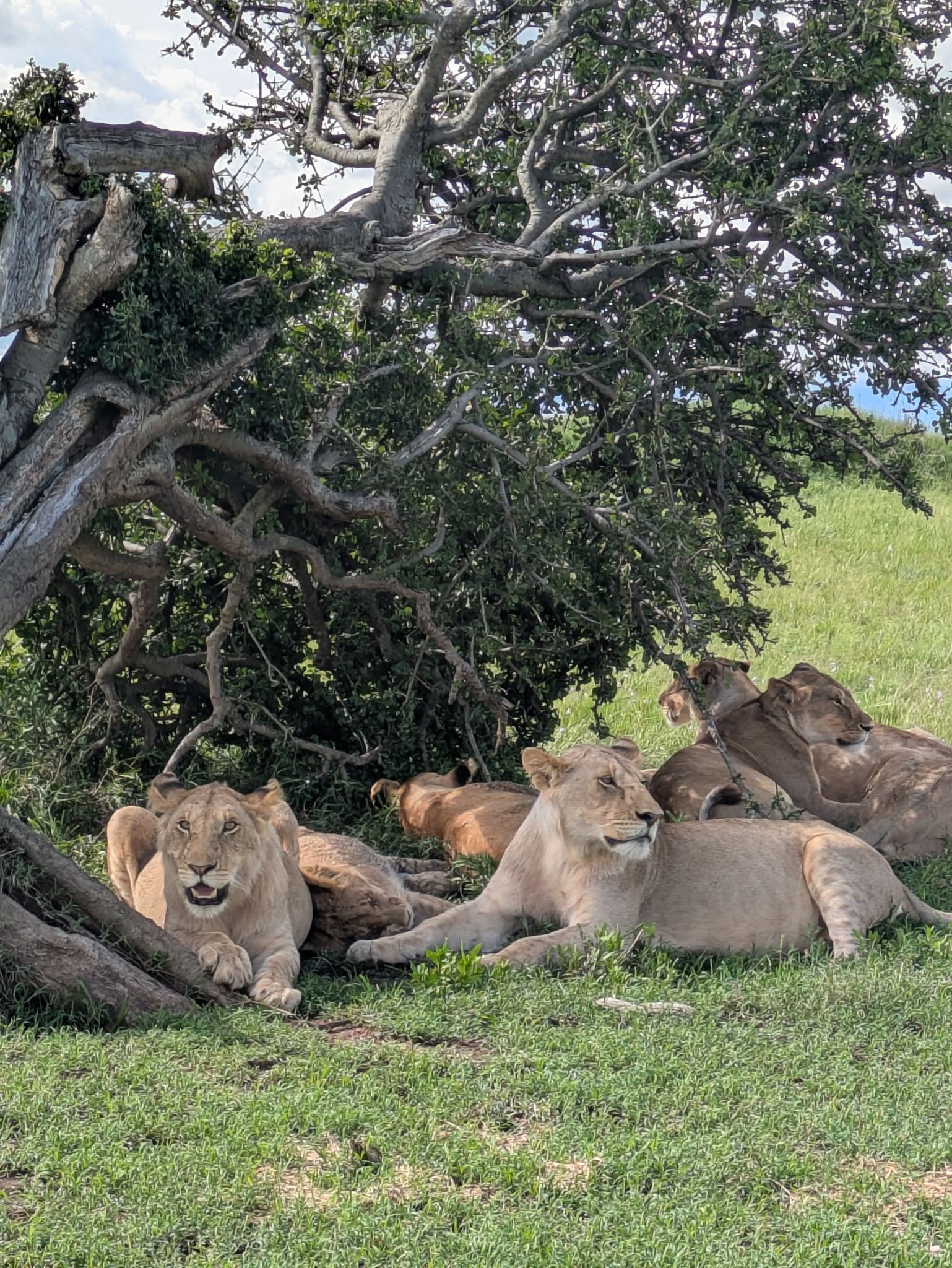
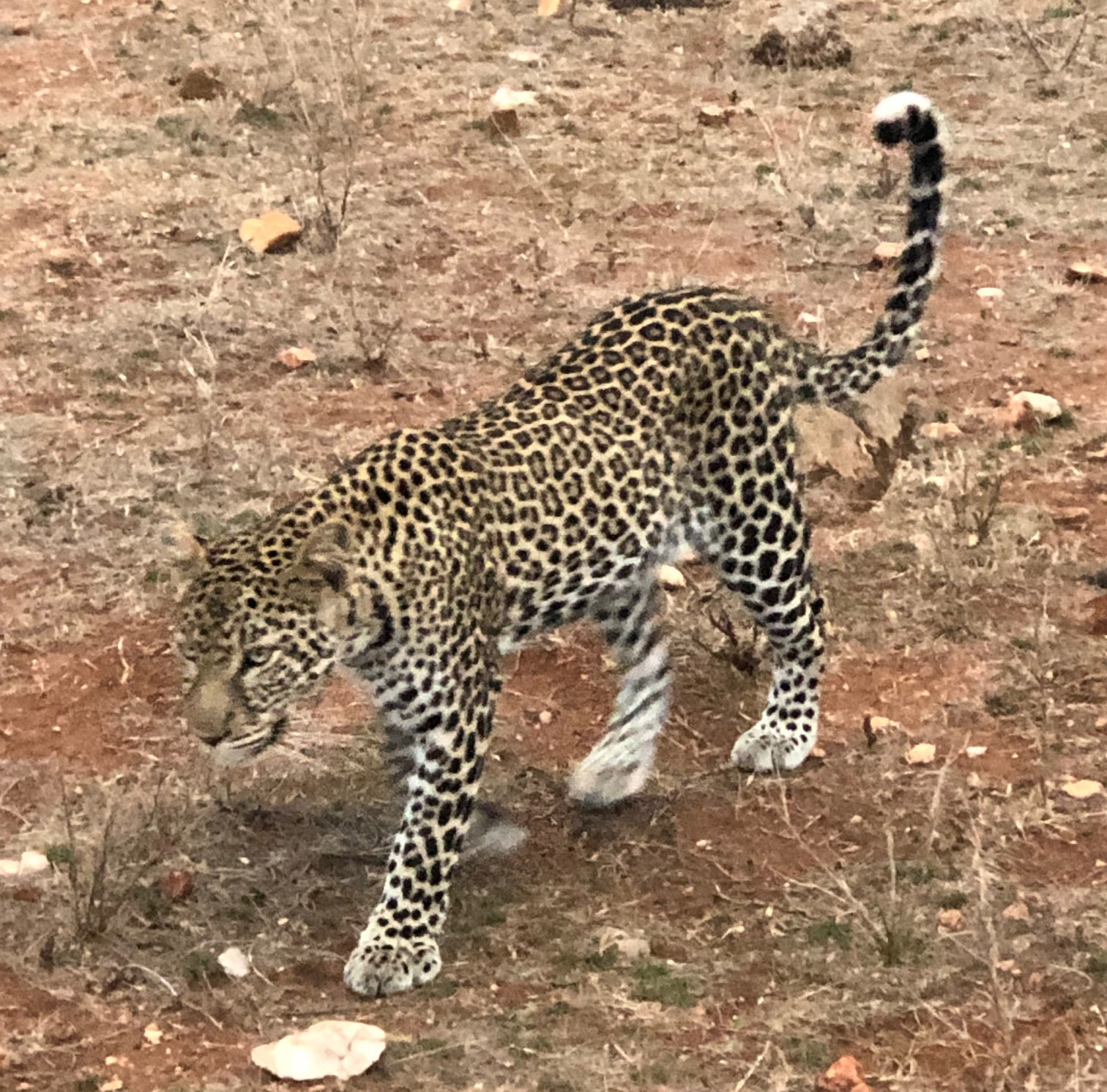
Over 50 mammal species roam its ecosystem: lions, leopards, buffaloes, hippos, zebras, impalas, baboons, colobus monkeys, hyenas, serval cats and even pythons .
Scenic Viewpoints & Attractions
- Top lookout points include Baboon Cliff, Lion Hill, Out of Africa Hill, and Makalia Falls both great for panoramic views, picnics, and photography
- Wild Wonders Africa.
- Makalia Waterfalls, just outside the park, offer a serene walking option away from wildlife crowds.
Ecology & Environmental Challenges
The lake’s water level and salinity fluctuate with rainfall, affecting flamingo populations. Major flooding in 2011 diluted lake alkalinity and led to flamingo migration to nearby lakes
The park is bordered by urban and agricultural areas. Siltation, sewage pollution, and habitat encroachment from Nakuru town and Mau catchment pose serious threats
Despite these pressures, Lake Nakuru remains a UNESCO-recognized Ramsar wetland, a UNESCO World Heritage site, and Africa’s first Important Bird Area (IBA)
- Game Drives
- Photographic Safaris
- Walking Safaris & Nature Hikes
- Lake Nakuru Lodge
- Sarova Lion Hill Lodge
Best Safari Experiences